The Salus Spotlight
By
Tiffany Anclaire
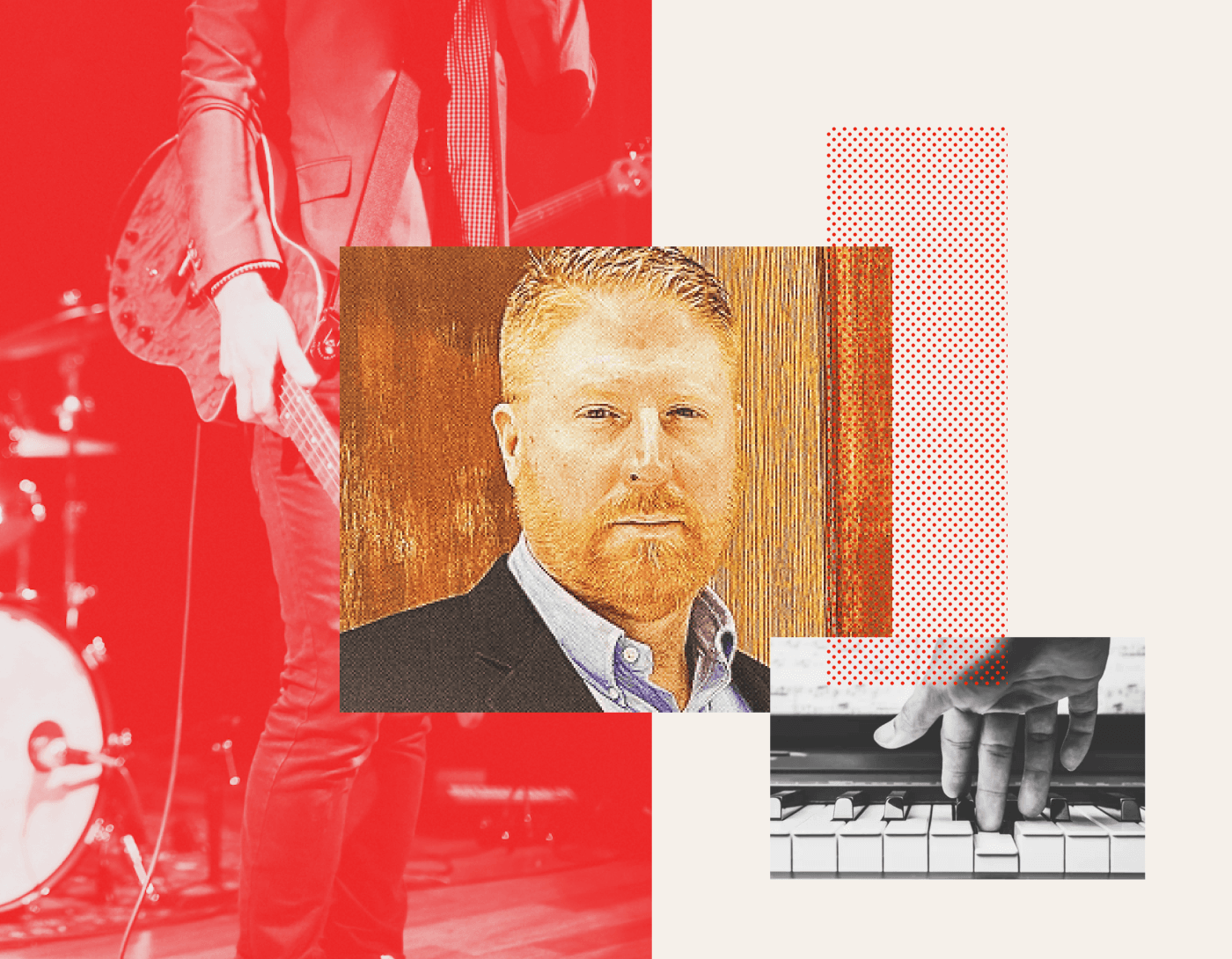
Stephen Coffey
Managing Director | Executive Search Consultant
Salus Talent
Welcome to the first installment of The Salus Spotlight — a series of conversations with the people who make up our network. Each edition, we sit down with someone whose work, perspective, or path offers something worth hearing. We're starting close to home.
Introducing, Mr. Stephen Coffey!
Q: What initially drew you to executive search, and what has kept you in the industry?
A: Like most people in this field, I fell into executive search — it’s not something you study for in school. My academic background is in English literature, with a minor in religion, and I briefly considered law or advertising. What captured me about search was the exposure: the ability to move across industries, speak with people at every level, and constantly learn. The work rewards curiosity and requires you to pivot situationally from one competency to another. Over time I developed real craft in it, and I stay because it remains intellectually demanding and perpetually interesting.
Q: When you begin a search, what does success ultimately look like to you?
A: Success starts with being a true partner to the client — offering an accurate read of the market and presenting qualified candidates in the most efficient, timely manner possible. Speed matters, but haste is dangerous; the better work comes from calibrating expectations to current realities and resisting the impulse to rush. Practically, success means delivering clarity, thoughtful options, and a process that aligns structure with discretion so the client can make a confident decision.
Q: Salus Talent applies an executive-level search process to what you call “linchpin roles.” Why does that level of rigor matter?
A: Linchpin roles by definition occur at inflection points — for the organization and often for the individual. Engaging people in those moments requires experience and the ability to have candid, reassuring conversations about where they are and where they could go. The rigor matters because it uncovers candidates who may not be obvious on paper but possess the context and readiness for the role. Those relationships endure; even when a hire isn’t immediate, the rapport we build becomes a resource for future needs.
Q: When evaluating candidates for leadership positions, what qualities consistently stand out in exceptional leaders?
A: Exceptional leaders can tell their story with precision — specific results, the decisions that produced them, and a clear “star” analysis of their contributions. They combine technical fluency with the ability to translate that expertise for broader audiences. Equally important is business acumen: leaders who understand how their function nests within the enterprise and can make trade-offs accordingly. Directness without aloofness — candid and connected — is rare and invaluable.
Q: What mistakes do organizations most commonly make when hiring senior talent?
A: A persistent mistake is anchoring hiring strategies to outdated assumptions about tenure — expecting 5–10 years from each senior hire. People move more frequently now; assuming long, linear tenure leads to filtering out strong candidates who don’t fit that narrow model. The result is marginalizing talent based on where someone is in their career rather than on potential and fit. A more realistic planning horizon — thinking in three to five year arcs and building succession intentionally — produces better outcomes.
Q: For executives who may be approached by a search consultant, what advice would you offer?
A: Take the call. Keep an open mind and have the conversation. Even if the opportunity isn’t immediate, it can be informative for your trajectory or useful to someone in your network. Conversations create optionality; declining them narrows it.
Q: What piece of career advice has stayed with you throughout your career?
A: Be honest and be yourself. Honesty is rarer than people think, and it simplifies everything. When you’re honest, you don’t have to remember what you said.
Q: Finally, what’s something interesting about you I can’t discover on your LinkedIn profile?
A: I taught myself to play guitar, piano, and drums — though conspicuously, I have never learned to play “Stairway to Heaven.”

Tiffany Anclaire
Chief Operating Officer
Tiffany is a podcaster, writer, and wannabe gardener. She can usually be found with her nose in a book, planning the next trip, or simply wishing she spoke French.